
Living in a fast-paced world means stress is nearly unavoidable, making effective coping tools essential for maintaining balance and overall well-being. At Mental Health Haven in Stuart, Florida, we recognize how important it is to understand not only what stress looks like, but also how to manage it in practical and sustainable ways. With thoughtful guidance from professionals like Kristen Chambers, PMHNP-BC, individuals can begin to build healthier responses to daily stressors and improve their emotional resilience over time.
Understanding the Nature of Stress
Stress is the body’s natural reaction to change, pressure, or perceived threats. While it can sometimes motivate positive action—like preparing for an important deadline—it can also become overwhelming when experienced too frequently or intensely. Most people encounter a wide variety of stressors, from work responsibilities and financial concerns to interpersonal challenges and unexpected life events. Understanding how your body interprets and reacts to these triggers is the first step toward managing them more effectively.
Chronic stress can manifest in emotional, physical, and behavioral symptoms. You may notice irritability, fatigue, trouble sleeping, or difficulties focusing when stress lingers for too long. These reactions can gradually interfere with daily functioning and affect long-term wellness. Recognizing your personal stress signals—whether they show up as muscle tension, worry, procrastination, or disrupted routines—allows you to intervene earlier and more efficiently. The goal isn’t to eliminate stress entirely but to cultivate healthier, more adaptive coping patterns over time.
Building Healthy Daily Habits
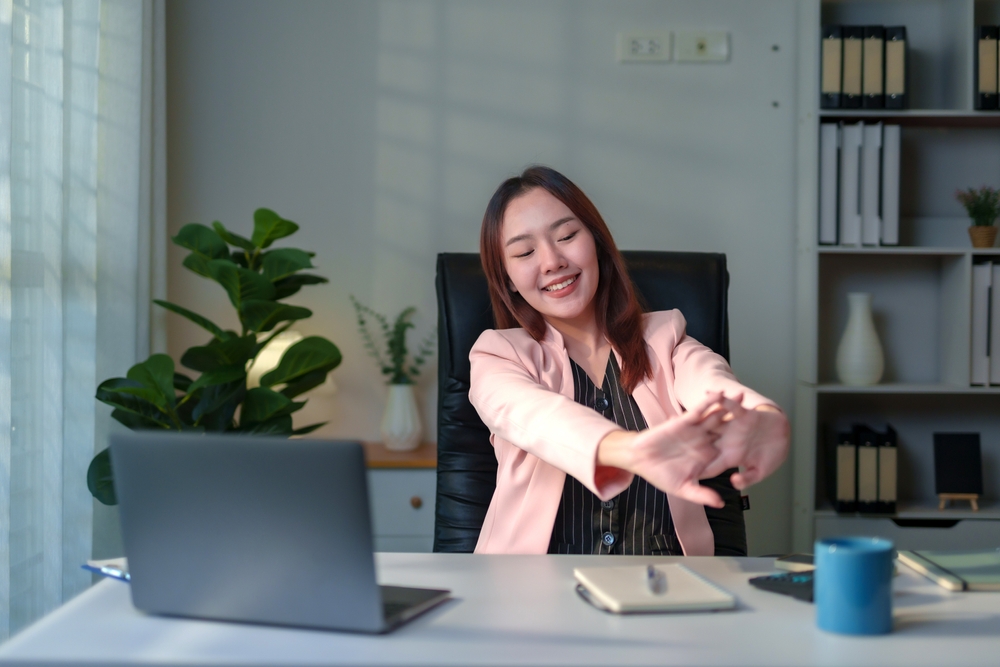
One of the most effective ways to manage stress is by incorporating small but powerful habits into your everyday routine. Even simple lifestyle adjustments can help regulate your nervous system and improve your ability to handle challenges. Regular sleep, nutritious meals, and consistent movement all play vital roles in keeping your mind and body grounded. Many people find that beginning or ending their day with a brief check-in—whether through stretching, journaling, or mindful breathing—creates a sense of structure and calm that carries throughout the day.
Physical activity is another essential tool for stress relief. Exercise releases endorphins, which naturally elevate mood and counteract tension. You don’t need intense workouts to feel the benefits; walking, yoga, swimming, and even brief movement breaks can help regulate stress responses. Additionally, maintaining hydration, limiting caffeine, and creating a calming evening routine can make a meaningful difference when practiced consistently. Small, steady efforts often produce the strongest long-term results.
Mindfulness and Cognitive Strategies
Mindfulness practices help ground your attention in the present moment, reducing the tendency to dwell on the past or worry about the future. Techniques like slow breathing, body scans, and guided meditation give your mind a chance to pause and reset. Over time, these practices strengthen emotional clarity and lessen the intensity of stress reactions. Even pausing for one minute of intentional breathing during a hectic day can shift your mental state toward greater calm.
Cognitive strategies can also help reshape unhelpful thought patterns that may worsen stress. When left unchecked, thoughts such as “I’ll never finish this” or “Something always goes wrong” can amplify anxiety and drain motivation. By identifying these patterns and reframing them into more balanced perspectives, you can reduce the emotional burden of stressful situations. A simple technique that many find helpful is writing down repetitive worries to assess how realistic they are, allowing you to separate genuine concerns from assumptions or exaggerations.
Creating Supportive Environments
Surrounding yourself with supportive people and environments plays a major role in long-term stress management. Social connection has a powerful calming effect, whether it comes from close friends, family members, colleagues, or community groups. Engaging in meaningful conversations, sharing vulnerabilities, or simply spending time with others can reduce feelings of isolation and help restore emotional balance. It also reminds you that you don’t have to navigate challenges alone.
Your physical environment influences stress levels as well. Decluttering your workspace, introducing calming elements like plants or soft lighting, and maintaining predictable routines can create a sense of stability. Even small changes—such as limiting digital noise, scheduling short breaks, or organizing daily tasks—can reduce mental overload. Over time, supportive environments help reinforce a healthier mindset, making it easier to manage stress effectively and consistently.
As you continue exploring these strategies, remember that stress management is a lifelong practice, shaped by self-awareness, habits, and a willingness to grow. Mental Health Haven in Stuart, Florida encourages individuals to take small, steady steps toward greater emotional balance, and Kristen Chambers, PMHNP-BC offers compassionate guidance for those seeking a deeper understanding of their mental well-being.
Resources:
Selye, H. (1976). The Stress of Life. McGraw-Hill.
Kabat-Zinn, J. (1994). Wherever You Go, There You Are: Mindfulness Meditation in Everyday Life. Hyperion.
Lazarus, R. S., & Folkman, S. (1984). Stress, Appraisal, and Coping. Springer Publishing.